Starting preschool is an exciting milestone! It marks the beginning of new friendships, new routines and new opportunities to learn and grow. With a bit of prep, you can help your child feel confident and ready for preschool!
Establishing Routine and Predictability
Kids thrive on predictability. It signals safety and comfort because they know what to expect. As preschool approaches, establishing consistent routines will help your child feel secure and ready for school.
Simple Ways to Practice School-like Schedules at Home
You may want to gradually adjust your child’s day to mirror the structure they’ll experience at school. Try some of the following:
- Set regular wake-up and bedtimes
- Establish predictable times for meals and snacks
- Create morning and bedtime routines that follow the same steps each day
- Practice age-appropriate responsibilities like getting dressed or putting toys away
These simple shifts can make the first few weeks of preschool feel familiar and manageable.
Building Social and Emotional Readiness
Our preschool program brings many opportunities to build friendships, navigate emotions and explore independence. Helping your child develop key social-emotional skills now can boost their confidence and create a positive start during their first days and weeks at school.
Encouraging Independence with Age-appropriate Tasks
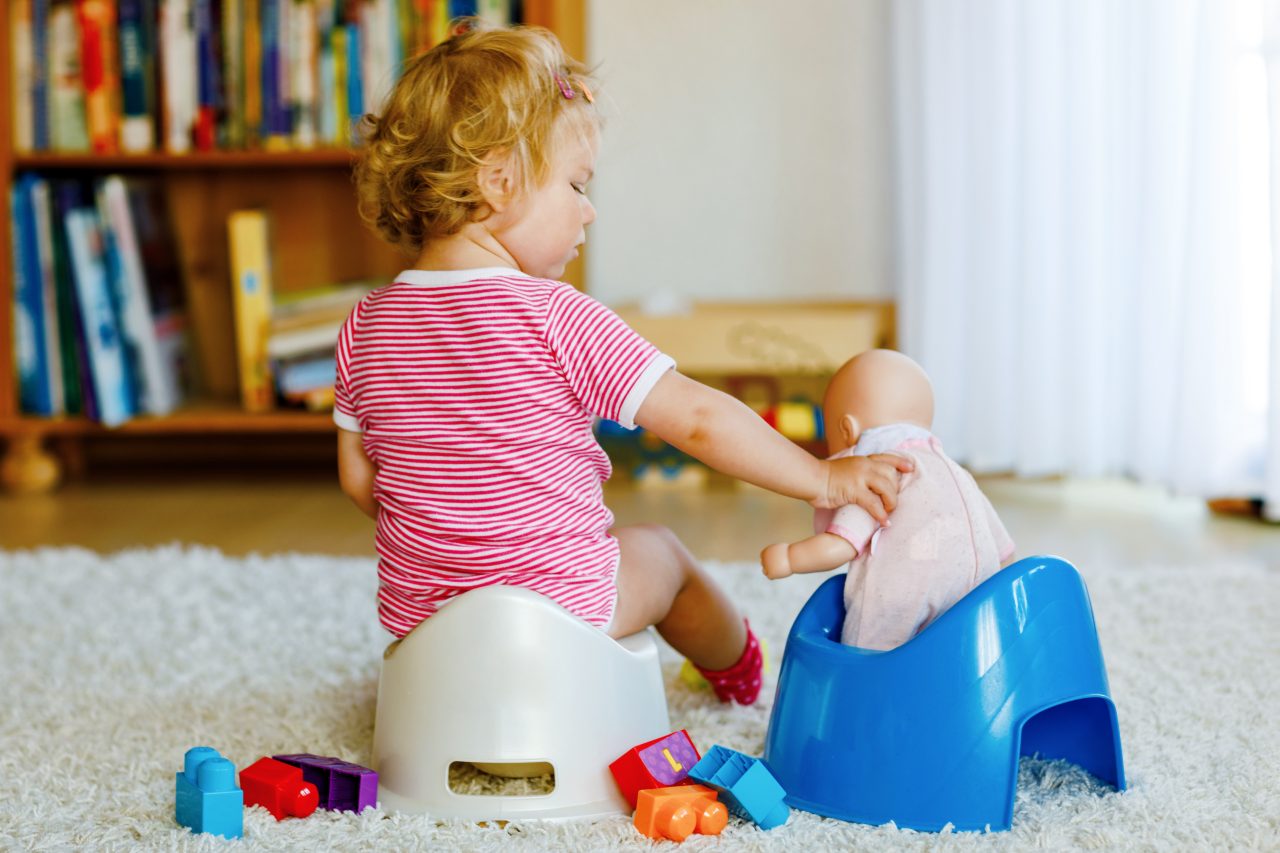
Our 4 year old preschool encourages children’s independence so that they can do simple tasks on their own, such as washing their hands, putting on shoes or cleaning up after play. Give your child opportunities to practice these skills at home to boost build confidence and self-reliance. You may be surprised at how much they like helping or doing things themselves!
Helping Children Express Their Feelings
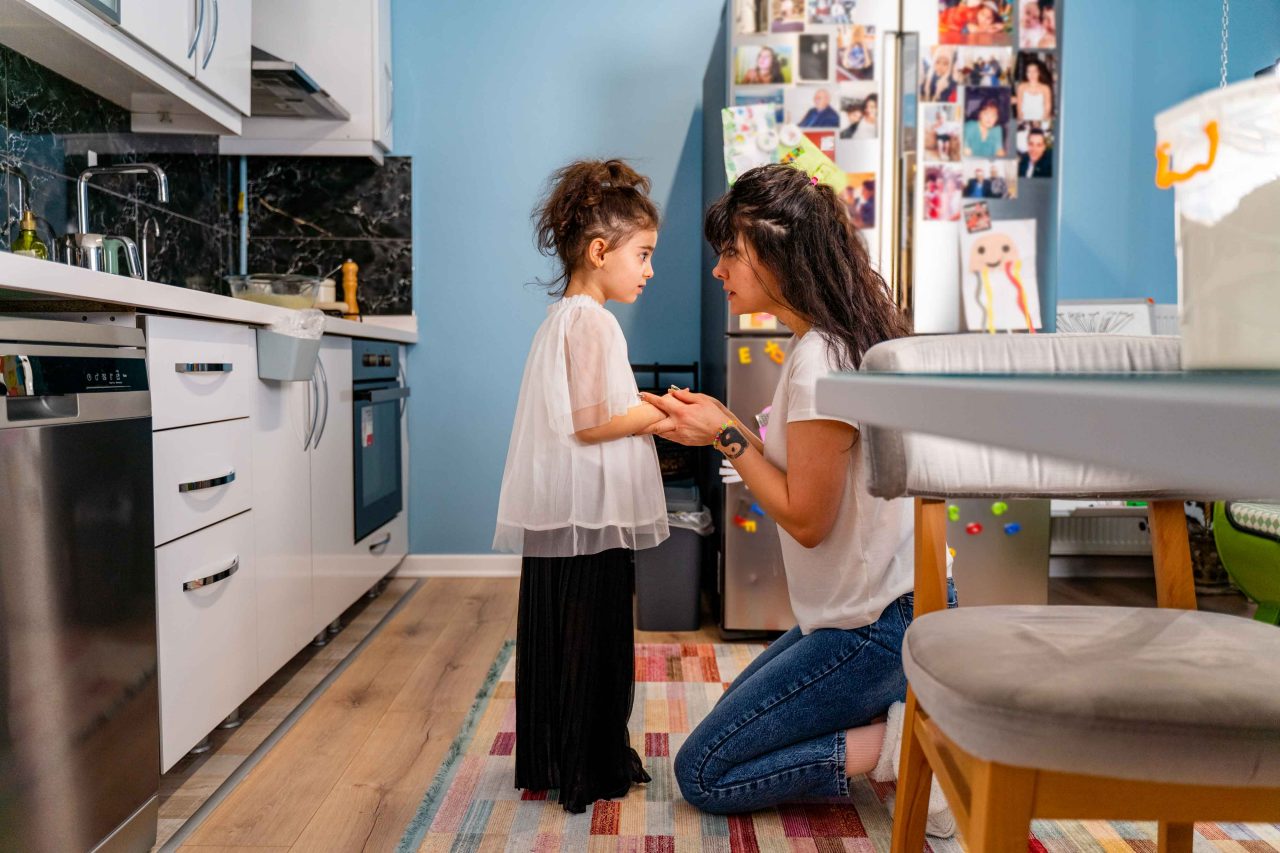
The leap from toddler daycare to preschool is paved with big emotions. Help your little one navigate their feelings by talking openly about emotions and labeling them as they. This builds emotional vocabulary and helps children become more comfortable recognizing and expressing their needs at school.
Practicing Social Skills Through Play
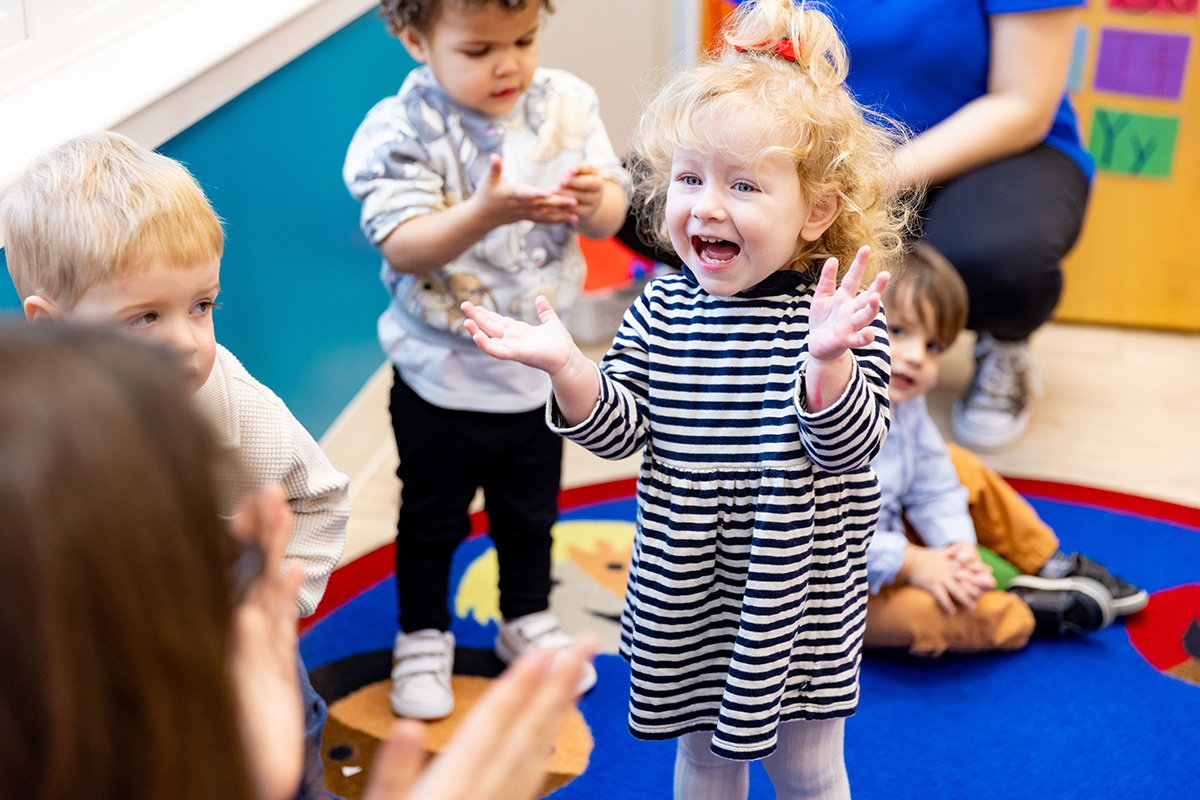
Playdates, cooperative games and pretend play are great ways for children to practice sharing, taking turns and communicating with peers. Role-playing classroom scenarios like asking a teacher for help or asking a friend to play can help your child feel more comfortable and reduce first-day jitters.
Encouraging a Love of Learning at Home
Learning happens everywhere, long before a child enters a classroom. Creating meaningful moments of curiosity, discovery and play at home establishes a strong foundation for preschool and helps children feel excited about new experiences.
Incorporating Learning into Daily Routines
Everyday activities can spark learning. Count steps as you walk to the car, identify colors at the grocery store or talk about shapes during playtime. If you’re barraged with “whys” don’t say, “I don’t know.” Instead, meet your child with curiosity. Ask them what they think. Or try finding the answers together.
Reading Together to Build Early Literacy
Reading daily helps children build vocabulary, comprehension and listening skills, all key foundations for preschool learning. Let your child choose books, ask questions as you read and talk about what you see on each page.
Hands-on Play That Builds School-ready Skills
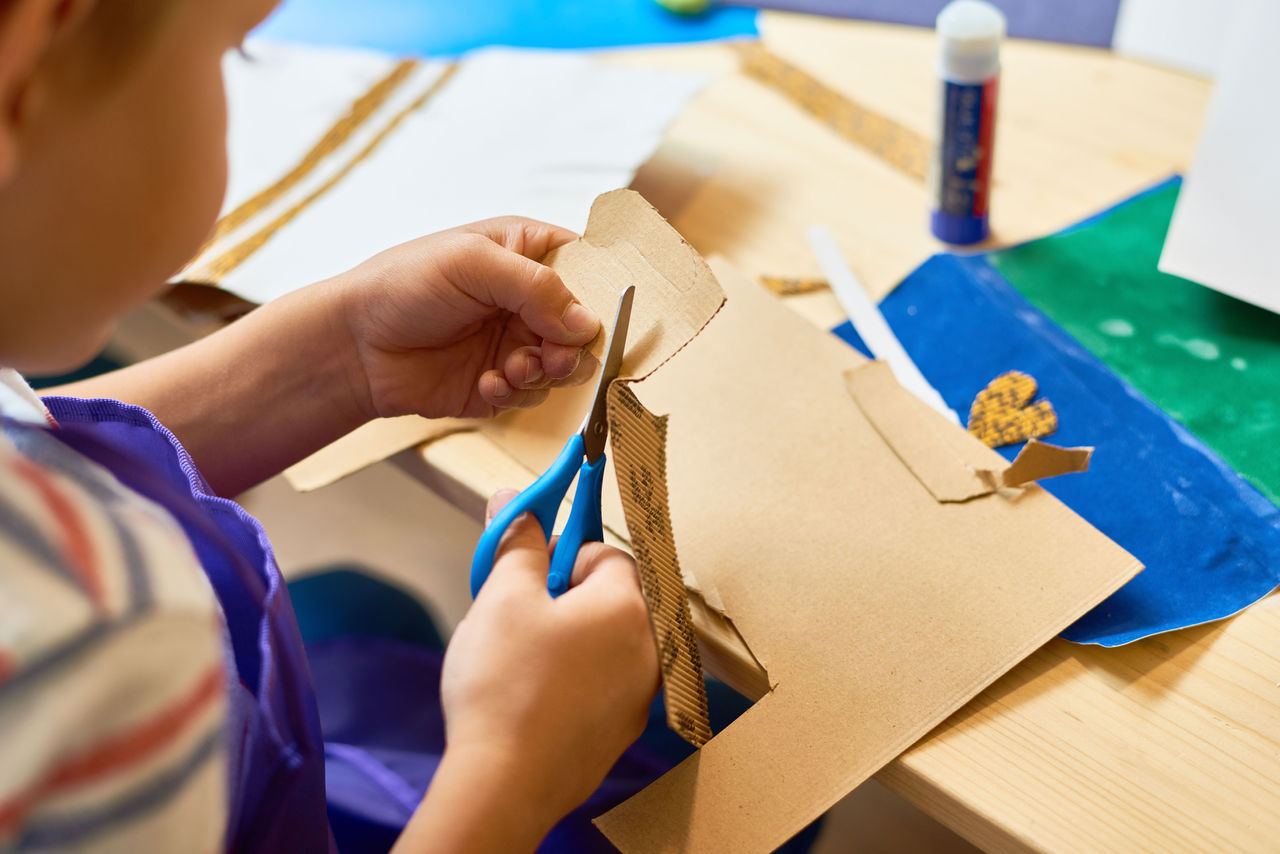
Creative, sensory and problem-solving activities encourage curiosity and exploration. Try puzzles, blocks, art projects or nature walks to build essential cognitive and fine motor skills.
Preparing for the First Day
The days leading up to preschool can exciting and uncertain for both you and your little one. Taking a few practical steps can help your child feel prepared, confident and eager to explore their new environment.
Take a Tour and Meet the Teachers
Visiting the school ahead of time can make the classroom feel familiar. Meeting the teachers, exploring the playground and taking a peek inside the classroom helps children feel more comfortable on day one.
What to Pack for Preschool
Most preschools recommend sending a labeled backpack, water bottle, lunch, sleeping bag, two sets of extra clothes, comfort items and any required paperwork. Let your child help you pick out and prepare these items to help boost their excitement.
Talking About What to Expect
Discuss what the day will look like from drop-off to pick-up and answer any questions your child may have. Keep the conversation positive and simple to ease anxieties and help them look forward to the new experience.
With a bit of preparation and reassurance, you can help your child step confidently into this exciting new chapter. To find a School near you, visit our School locator page or explore The Goddard School® website to find learn more about our offerings. Check out our blog for more inspiration and parenting resources.