Fostering a sense of gratitude in children is often one of the most unexpectedly challenging lessons for a parent to teach. For starters, the concept of gratitude is abstract and can be difficult for young children to wrap their heads around. However, encouraging kids to be thankful from an early age helps cultivate a lifetime of appreciation and satisfaction. Implementing simple gratitude activities for kids and staying consistent is the key to helping kids develop an attitude of gratitude.
Why is Teaching Gratitude Important for Childhood Development?
Teaching children to practice gratitude is deeply beneficial to their development and will serve them well throughout their lives. Children who learn gratitude are more likely to grow into empathetic and sensitive adults. Instilling gratitude in kids also sets them up to become less entitled and self-centered. Perhaps most importantly, teaching thankfulness to kids cultivates a happier overall mindset. A study published in the Journal School of Psychology concluded that grateful children tend to be more optimistic and experience better social relationships and support.
Model Gratefulness
Gratitude education for children starts by modeling it each day at home. For example, as you go through your daily routines, model a simple “thank you” when someone does something to help around the house. This seemingly small expression of appreciation lays the groundwork for a deeper, more meaningful gratitude practice later. While it’s true that encouraging a child to say “thank you” may not always elicit a genuinely thankful response, children will begin to understand that acts of kindness or gifts should be met with a verbal expression of appreciation. Learning how to say “thank you” helps children learn more about themselves and the practice of gratitude while building social relationships.
Implement the Four Parts of Gratitude
Gratitude is made up of four parts: noticing, thinking, feeling and doing. Families can initiate conversations about gratitude by asking questions such as:
- What things do you notice today that are worthy of gratitude?
- Why do you think you have been given those things?
- How do you feel about these things you’ve been given?
- What will you do to demonstrate your appreciation for these things?
While younger children may not be ready to engage in all four parts of the gratitude conversation, they will learn by watching you and older children. Asking these questions and thinking about the four parts of gratitude helps children learn how to experience genuine thankfulness and how to express that appreciation to others.
Perform Acts of Kindness with Family
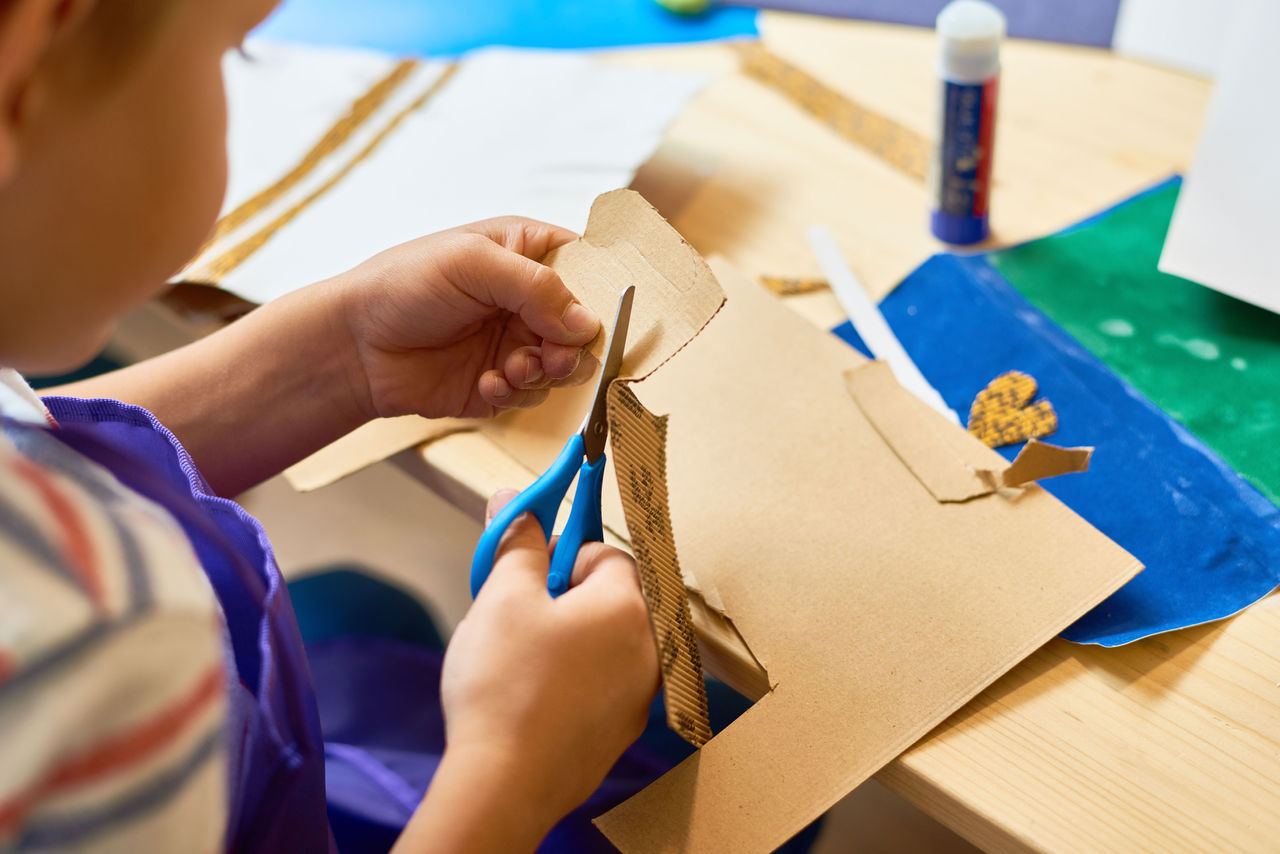
Expressing gratitude can be practiced by the whole family, and performing acts of kindness is a powerful way to teach children how to show appreciation for others. Daily acts of kindness that you can do with a child include making a card for a family member or friend, writing a thank you note or letting a friend borrow a special toy. Families can come together to perform acts of kindness that benefit their entire community, like donating toys or clothes to those in need, picking up litter in a park or making baked goods for a local fire department.
Establish a Ritual for Gratitude
Creating a family gratitude ritual not only helps children continue to develop a grateful mindset but cultivates a sense of happiness and appreciation within the entire family. Gratitude rituals can be as small as talking about what each family member is grateful for during dinner, or as big as coordinating a project with a substantial community impact, like a fundraiser or park clean up. Building a daily habit of practicing gratitude will encourage your child to stay present and thankful throughout each and every day.