Routines. We know them and children love them! Why? Because it provides them with a sense of predictability and safety. Implementing simple morning and bedtime routines lowers stress, strengthens confidence and builds their resilience. A few intentional habits can help you set your child up for daily success at preschool and at home.
Why Routines Matter
Routines help preschoolers handle big changes like starting school, moving from playtime to mealtime or managing goodbye at drop-off. When children already practice predictable steps at home, they carry those coping skills into new environments, making transitions smoother for kids, parents and teachers.
- Predictability = confidence. Kids feel safe, even proud, when they know what comes next.
- Better behavior. Consistent sleep and structure supports focus, frustration tolerance and cooperation.
- Learning boost. Bedtime routines with reading and reflection build vocabulary and emotional resilience.
- Healthy sleep. Preschoolers need 10-13 hours of sleep per night for brain repair, growth and focus.
Morning Routines for Preschool Success
Here are some ideas to help you create a simple, yet impactful, morning routine.
- Ensure a consistent wake-up time. Choose a wake-up time that works for your family and stick with it. On weekends, try to wake up within 30 minutes of the usual time.
- Prep the night before. Lay out clothes, pack the school bags and plan breakfast.
- Use a visual routine chart. Pictures of “brush teeth, get dressed, eat breakfast” give kids a feeling of independence.
- Encourage autonomy. Let your little one make choices but keep the options limited. For example, let them choose the purple shirt or the blue one, or whether they want to wear their backpack or have you carry it.
- Fuel with breakfast. A protein-rich breakfast helps keeps energy, and emotions, stable.
Add 10-15 minutes of wiggle room to your morning routine. This prevents small delays, like spilled juice or last-minute potty breaks, from turning into a stressful rush. A calm, unhurried pace (and attitude) helps everyone start the day with less tension.
Bedtime Routine for Next Day Readiness
Evenings are for slowing down and signaling it’s time to rest. Build a bedtime ritual that’s simple and repeatable following these steps.
- Set a fixed bedtime. Keep lights out around the same time each night.
- Stay calm with wind-down activities. Bath, dim lights, soft music or cuddles calm the body.
- Practice bedtime hygiene. Brush teeth, use the toilet, put on pajamas in the same order nightly.
- Connect before bed. Read together to strengthen language and bonding. Then ask, “What was your favorite part of today?” Listen carefully and repeat what you hear. It helps children feel seen, heard and loved.
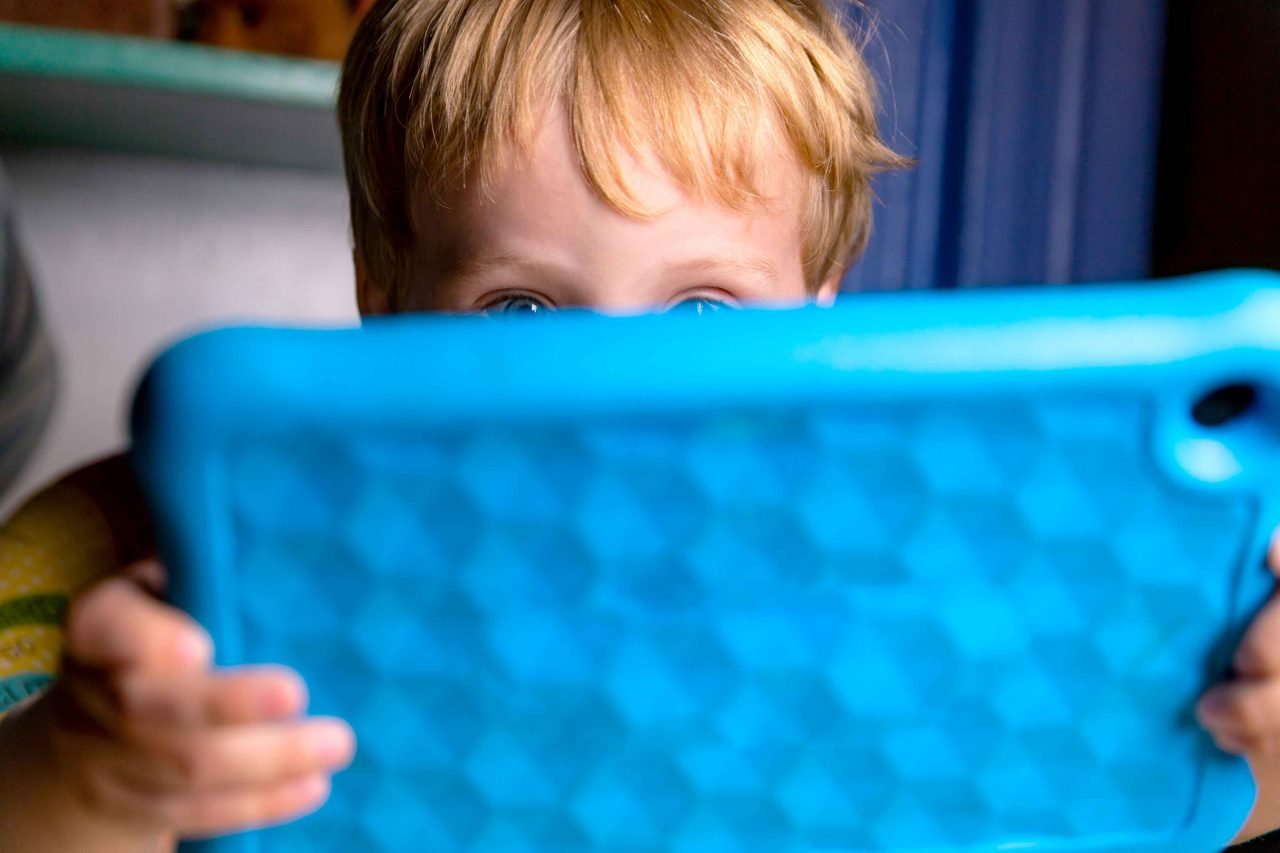
- Turn off screens. No screens for at least one hour before bed. Blue light and visual stimulation can delay sleep.
Make the bedroom a calm and sleep-friendly space. Keep the room cool and dark, use a nightlight if needed, and offer a favorite stuffed animal or blanket for comfort. A consistent sleep environment cues the brain that it’s time to rest, making it easier for preschoolers to settle down quickly.
Tips to Make Routines Stick
Starting a new routine can sometimes feel overwhelming. Don’t tackle it all at once and give everyone grace as they learn the new schedule!
- Start small. Pick two to three steps and add more once they’re solid.
- Use routine charts. Sticker charts or magnets help kids track progress. Pictures are incredibly helpful for little ones who can’t read yet.
- Offer small choices. Let your child pick from two sets of jammies or what book they want to read.
- Stay consistent. Kids adjust faster when routines are predictable.
- Expect setbacks. If mornings feel rushed or bedtime drags, reset calmly and try again tomorrow. Count to 10 — it works.
Morning and bedtime routines aren’t about perfection — they’re about consistency. With predictable rhythms, your preschooler will feel calmer, more confident and ready for the day.