Observational assessment is the best method that early childhood educators have for gathering information about the children in their care. Young, developing minds behave in a multitude of ways that adults may not understand. Observation allows us to delight in their learning journey, remaining curious about what motivates them. It’s an ongoing daily practice where teachers observe children and their interests, skills, development and progression while also deepening relationships and understanding behavior. As they observe children, educators make note of what they see to inform them what happens next. Teachers may notice that a child loves watching bugs outside. They will take that interest and bring it into the classroom by introducing books about bugs, adding bug toys to dramatic play areas, building a bug house, using bugs to practice math and so much more!
At home, you can also learn more about your child through observation. Staying a present observer will provide insights into their world, what they’re learning and their overall development. Here are some ways to practice observing your little one at home!
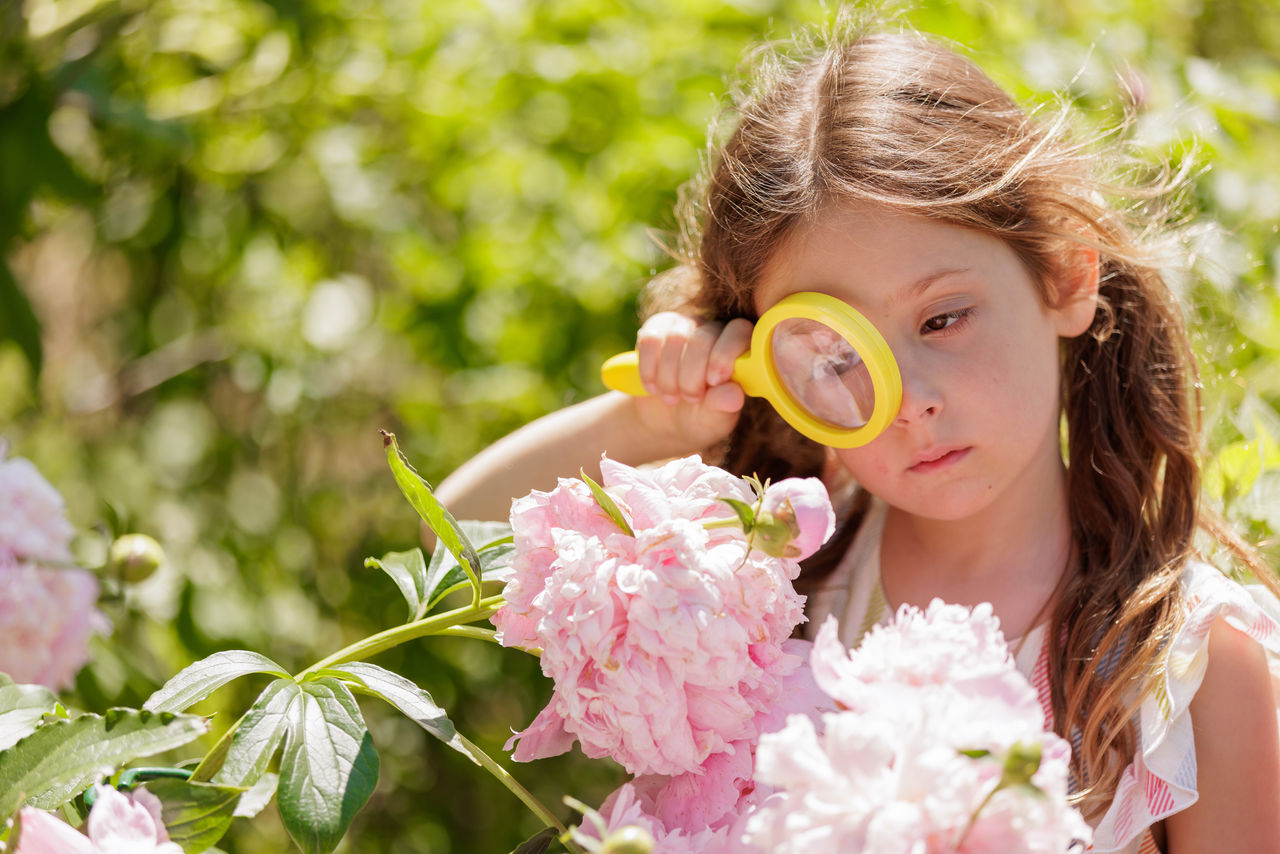
Following interests. Learn more about what your child is interested in by observing their actions, body language and listening to their questions. For example, your infant may keenly watch the light casting shadows on the wall. They coo and kick their legs as they observe this phenomenon, which means they’re interested. Now you can provide them with more natural stimuli to respond to their growing understanding of nature. Maybe your older child notices flowers growing in the garden and bends down to inspect them closely. They notice that some smell, and some do not and wonder why? They ask, “How do people know what flowers will pop out in the garden?” Their natural curiosity is piqued, and the questions are flowing. Now you can sustain your child's engagement and extend their learning, like going on a walk to smell more flowers, talking to gardeners at your local nursery or reading fiction and non-fiction books about flowers.
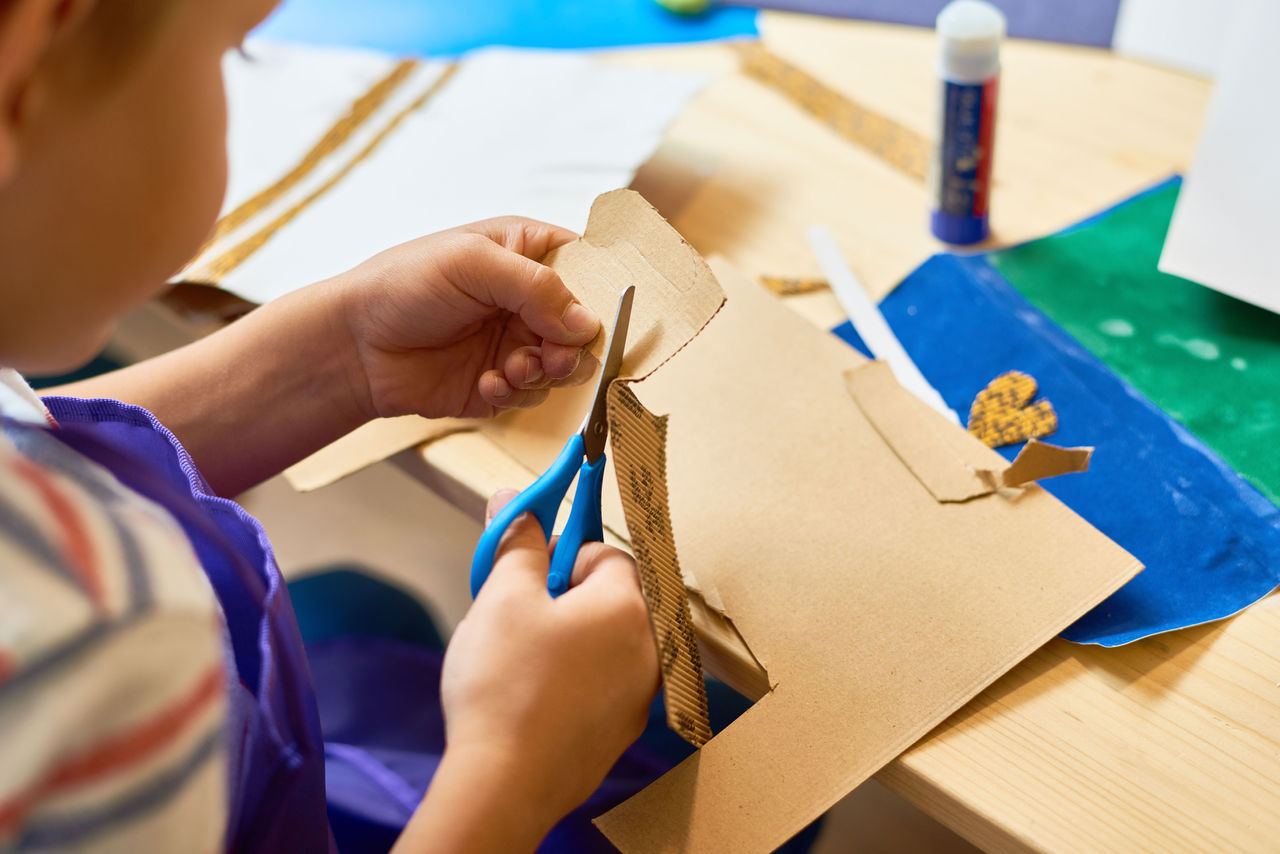
Supporting skill development. As your child becomes more adept with fine motor skills, you may notice them picking up smaller items and manipulating their toys with more control. However, you’re still putting on their shoes for them. Recognizing your child’s increased skill development means you can offer other ways they can utilize their ever-expanding capabilities. Maybe they can try putting on their shoes (not when you’re in a time crunch, though!) or they can try pouring milk into their cup. No matter what, be sure you’re patient and calm … and have a dish towel on hand to clean up spills!
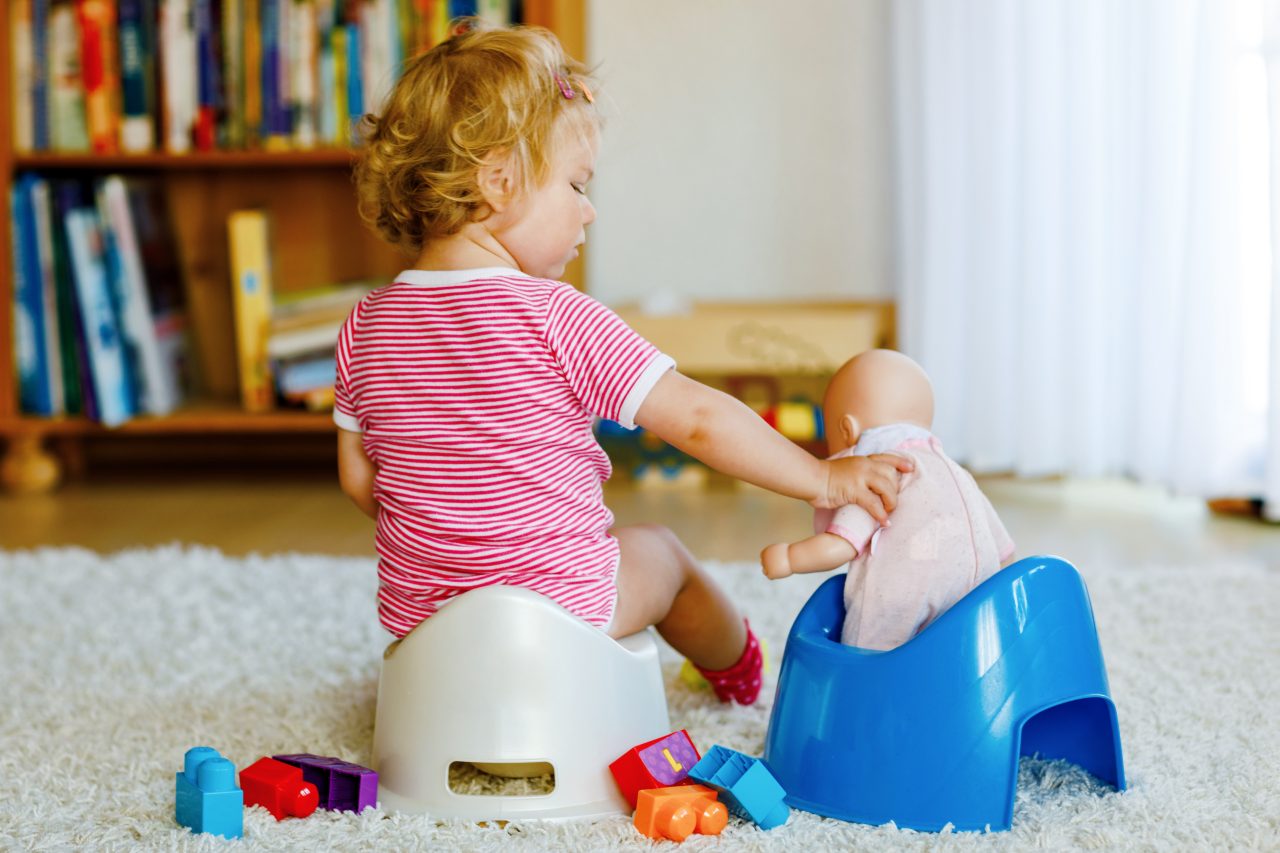
Understanding behavior. Has your child ever done something puzzling or had a big reaction to something seemingly small? To understand more and discover what might be motivating the behavior, it’s helpful to observe what’s happening before, during and after to find patterns. Make note of your observations to reflect on them later. Is music always on when your child resists something? What reaction comes after they spill something? Were they given a warning before the transition? Once you identify a pattern, you can help your child work through different behaviors.
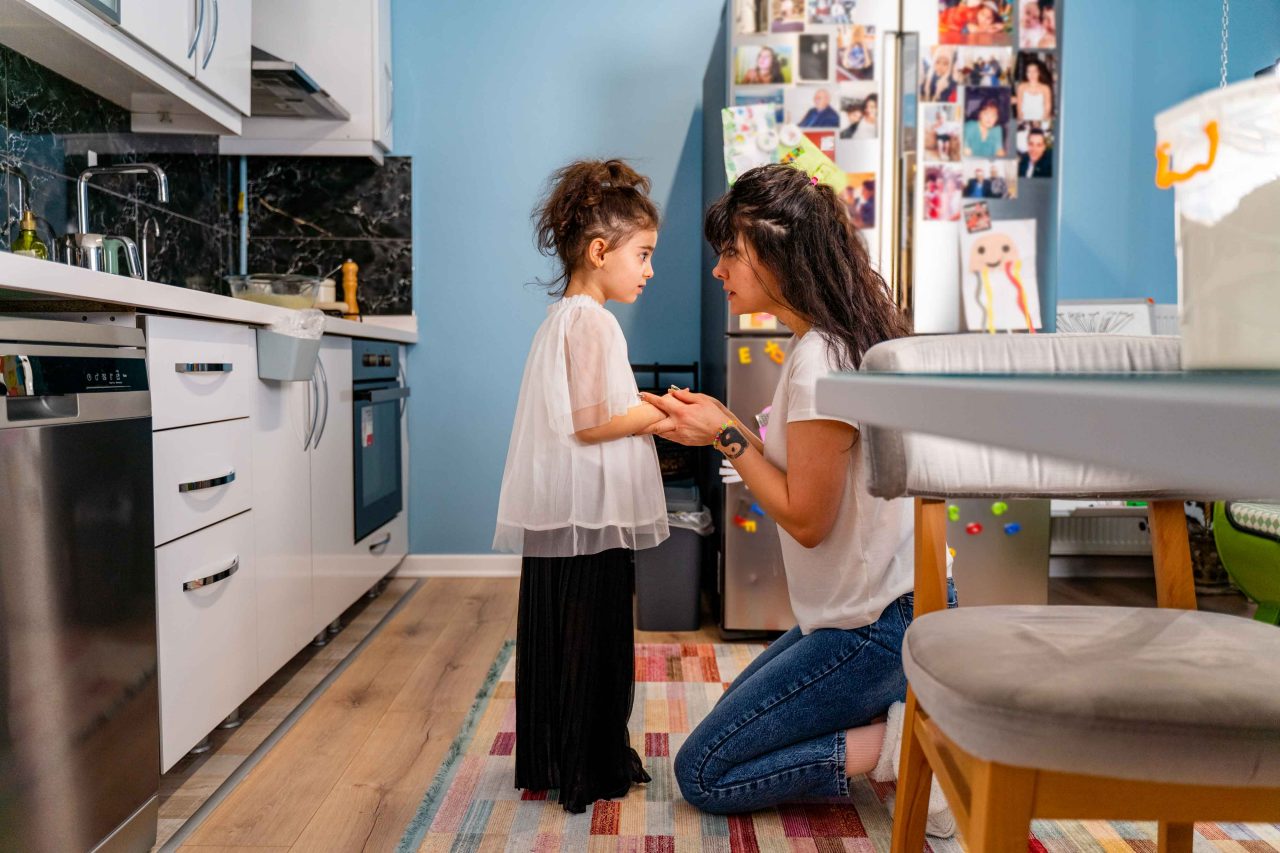
Strengthening communication. Observational assessment can help you foster better communication with your child. By closely watching how they express themselves — verbally or through actions — you can better understand their needs, feelings and thoughts. For example, you might notice that your preschooler frowns and crosses their arms when you ask them to clean up their toys. This might indicate that they’re feeling overwhelmed or unsure about where to start. With this insight, you can step in to offer guidance, like saying, “Let’s clean up together — can you pick up the blocks while I get the crayons?” This shared moment not only encourages teamwork but also shows your child that their feelings are seen and respected, building trust and connection.
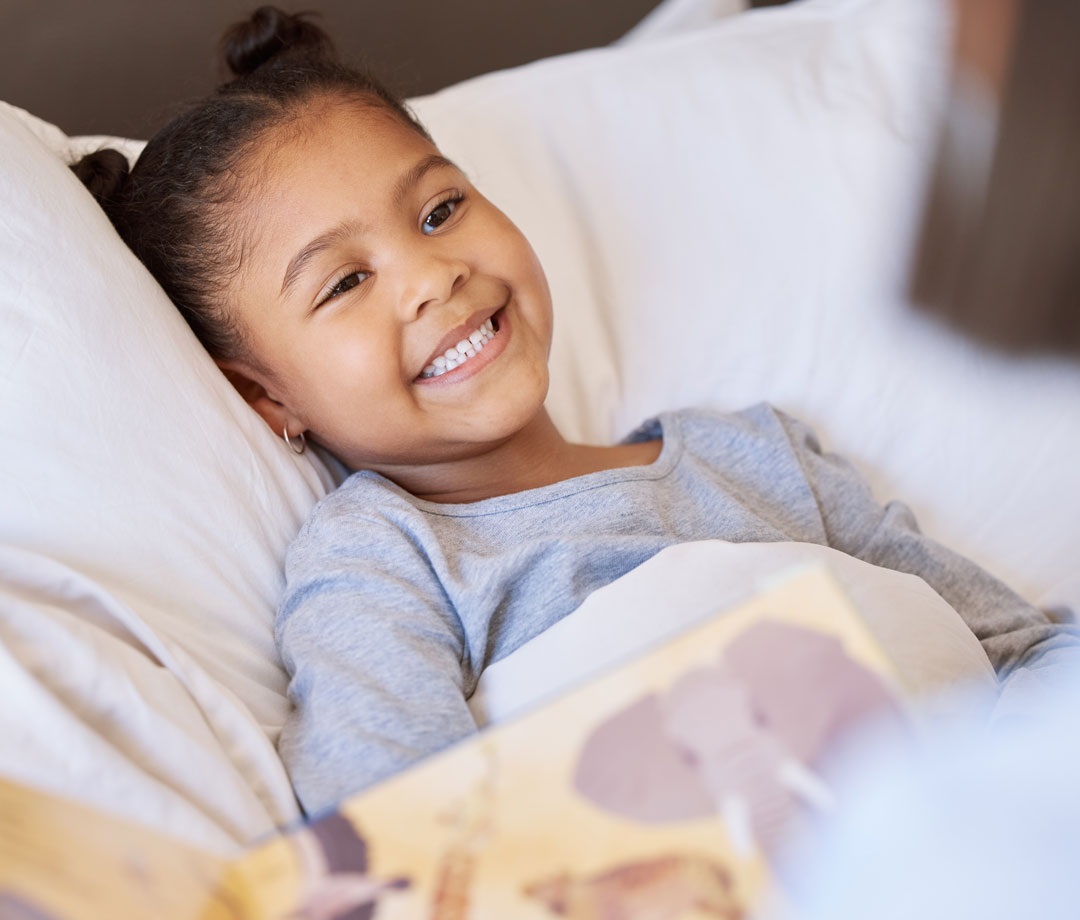
Creating opportunities for growth. Observation allows you to identify areas where your child might need additional support or opportunities to grow. For instance, if you notice your kindergartener is struggling to wait their turn during a game, you can plan activities that promote patience and turn-taking skills. Games like “Red Light, Green Light” or “Simon Says” are playful yet effective ways to practice self-regulation. Similarly, if your child shows a natural knack for storytelling, you might encourage them to create their own books or act out their favorite stories, nurturing their creativity and confidence.
Observational assessment isn’t just a tool for educators; it’s a practice that can transform the way you connect with and support your child at home. By staying present and curious, you can discover what makes them unique, understand their needs and foster their growth. Remember, each observation is an opportunity to celebrate your child’s progress and deepen your bond with them. So, take a moment today to slow down, watch and learn from your little one — you might be amazed at what you discover!