As parents, we all want our children to have the best start in life. We dream of giving them the tools they’ll need to be curious, confident and capable in a world that’s always changing. That’s where STEM (Science, Technology, Engineering and Mathematics) learning comes in.
Gone are the days when learning to read, write and add were enough to prepare children for the future. Today’s world is full of innovation and technology, and the jobs our children will one day have might not even exist yet! What we do know, however, is that skills like critical thinking, problem-solving, creativity, collaboration and communication are essential for success. The good news is that these skills can start taking root in the preschool years through playful, hands-on STEM learning.
Learning Through Play: How Preschool STEM Builds Life Skills
In preschool, STEM learning is play, and that’s exactly how it should be! Children learn best when they explore, imagine and experiment. When play is gently guided by a teacher or parent, children start to make connections, test ideas and think more deeply about the world around them.
For example, a teacher might set up a bin of water with toy boats and ask, “What happens if we add more passengers to the boat?” or “How can we make it float better?” In these moments, children are learning about balance, weight and cause and effect, all while having fun. This kind of guided play helps children learn to ask questions, solve problems and see challenges as opportunities to try again.
Explore STEM at Home
STEM isn’t just for the classroom, it’s part of everyday life! Families can support early STEM learning through simple, everyday activities that spark curiosity and creativity.
- Grocery shopping. Ask your child to count the apples as you put them in the bag or guess how many items will fit in the cart. Talk about why some fruits are heavier than others or why some produce has different textures.
- At the park. Pack some small toys or blocks and ask, “How can we build a bridge for the animals to cross?” or “What can we use to make a shady spot for the dolls?”
- Playdates. Bring back the joy of fort building! Give children blankets, pillows and boxes, and let them design their own structures. As they plan, build and rebuild, they’re practicing engineering and teamwork.
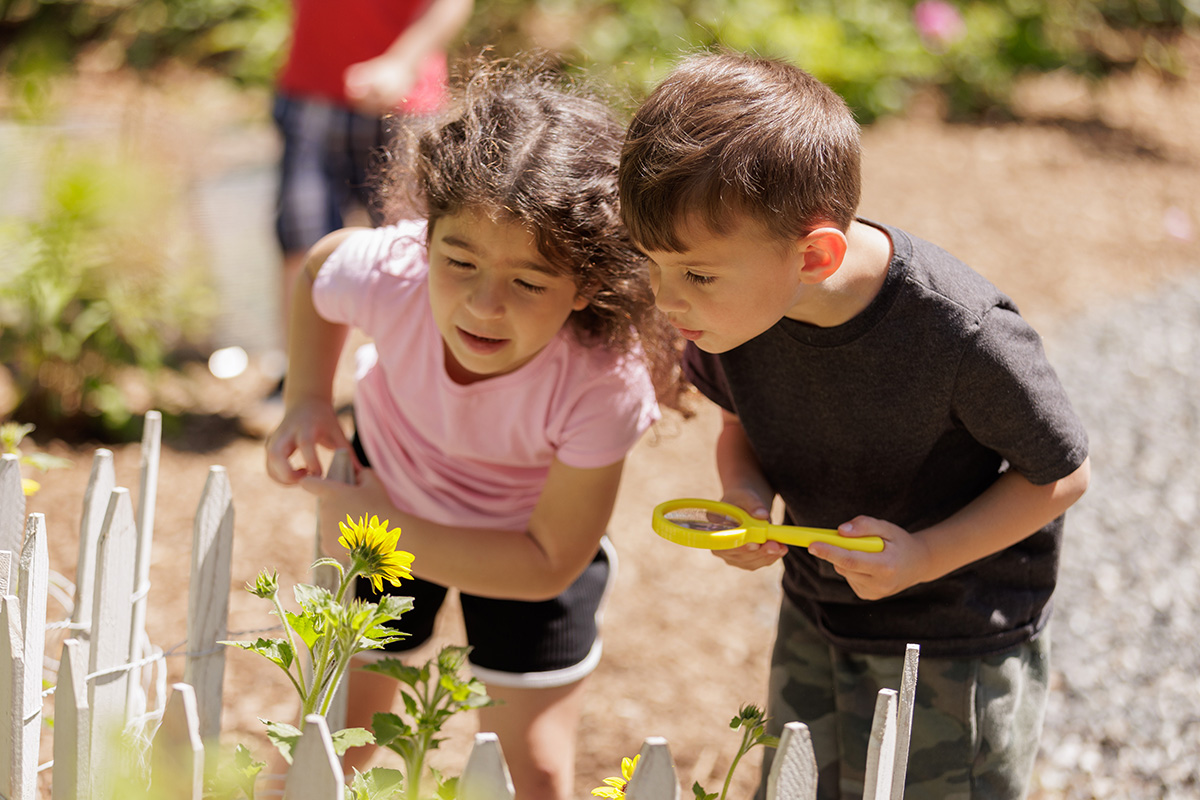
- Nature walks. Encourage your child to look closely at the world around them. Ask questions like, “Why do leaves change color?” or “What do you think lives under that log?” Every walk becomes an adventure in discovery.
These simple experiences help children see that learning is everywhere, and that curiosity is something to be celebrated.
Choosing a Preschool That Nurtures STEM Learning
When looking for a preschool, it’s helpful to ask a few questions to make sure your child will have plenty of chances to explore STEM through play. Note, some Schools like Goddard may call it STEAM, which adds in the arts for a more well-rounded experience!
- Is the curriculum inquiry-based? Look for programs that encourage children to ask questions, investigate and find their own answers. They shouldn’t be taught what to learn rather how to learn.
- Are there open-ended materials available? Great STEM learning happens when children can use their imagination. Materials like blocks, recycled items and molding dough allow for endless creativity and problem-solving.
The Gift of Curiosity
STEM in preschool isn’t about memorizing facts or using fancy technology. It’s about sparking curiosity and helping children see themselves as capable thinkers and creators. When families and teachers work together to nurture these early skills, children build a strong foundation for lifelong learning and confidence.
The best preparation for the future is a child who loves to ask “Why?” and can’t wait to find out the answer.