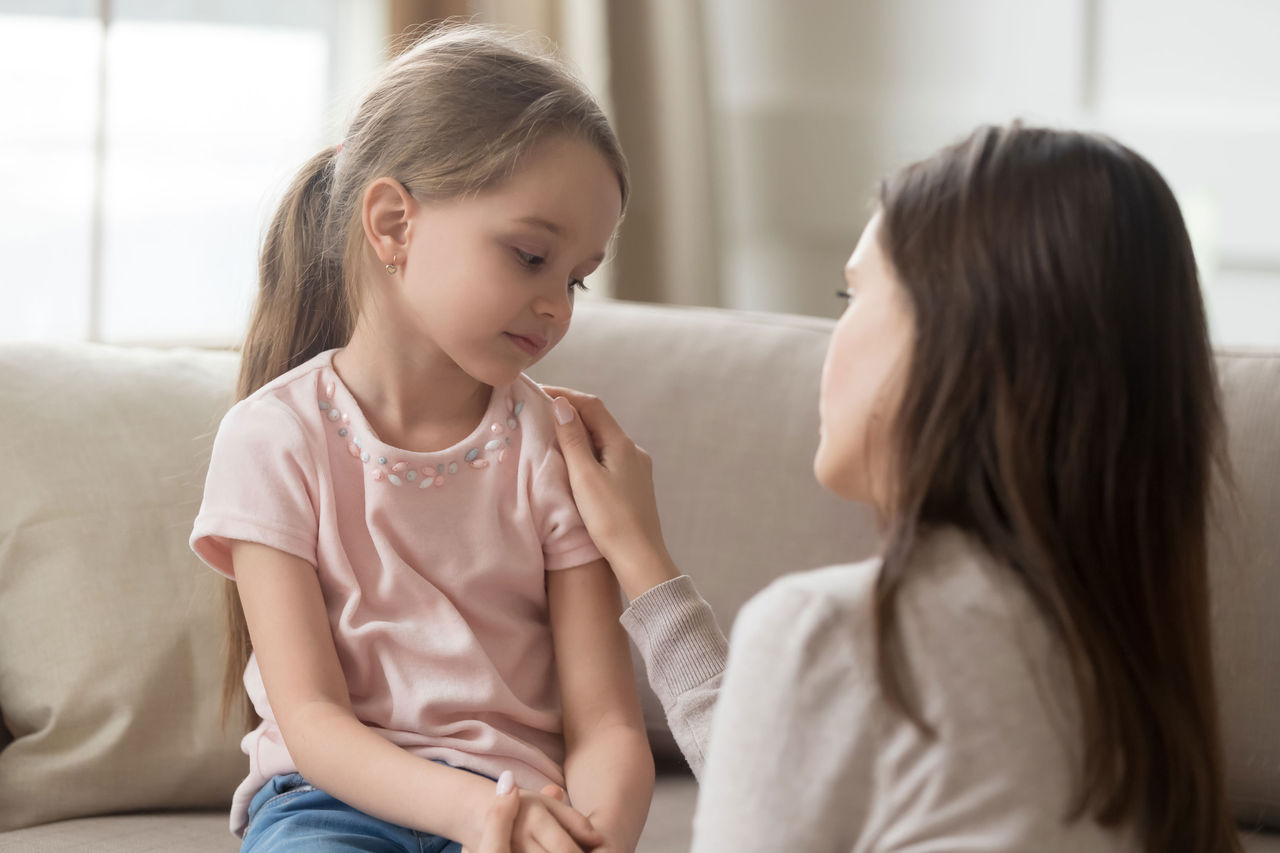
Something we hear from families a lot is that they want to raise well-rounded kids. When we dig deeper into what well-rounded means, there are commonalities across the board. Parents want their kids to be empathetic, curious, confident, smart, prepared and, most importantly, kind. But how can you support your child in learning kindness? Especially when the world can feel like anything but kind.
Teaching Kindness
There are three approaches you can use to help improve social skills that represent kindness: modeling, role playing/playing games and storytelling. The best part about these three approaches is that they can be incorporated into your everyday activities.
Modeling. Model kindness daily. Modeling is by far the best way to instill kind behavior in your children. Children love to imitate us, and if we act in a kind manner, they will, too. Praise your children when they exhibit kindness and explain why you thought what they did was a nice thing to do. It’ll become a habit. When you see kindness in others, tell your child about it. “That was so kind of Jabari to share his snack with you at school.” When our children hear the praise we give others, they will want to exhibit the same behavior.
If your child does behave in an unkind way, use it as a learning opportunity. You can teach empathy and kindness by explaining how the other person may feel and talking about what your child could do differently next time. Afterward, help your child apologize.
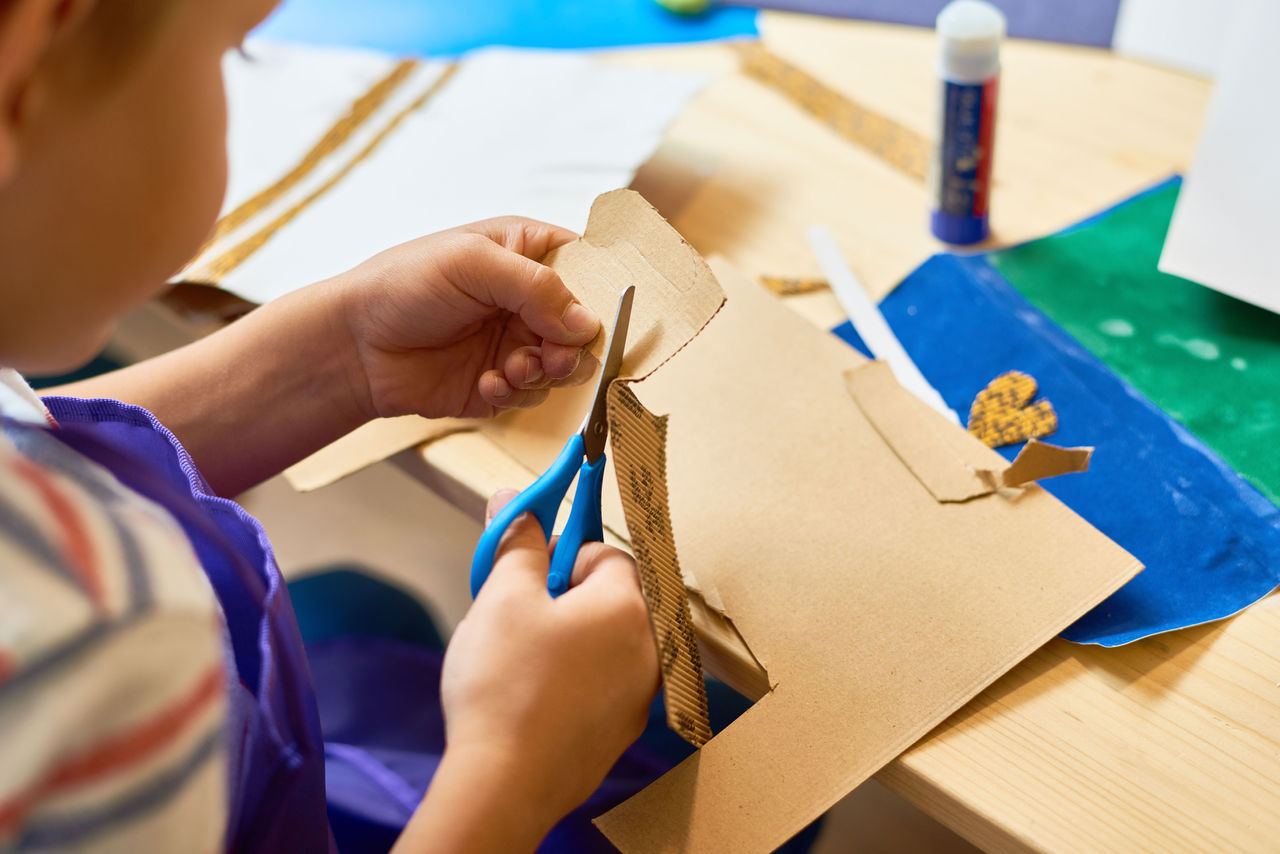
Engaging in acts of kindness with your child is also a great way to help them experience kindness in action. Together you could donate items to the local food pantry, create cards for community helpers or participate in a charity event.
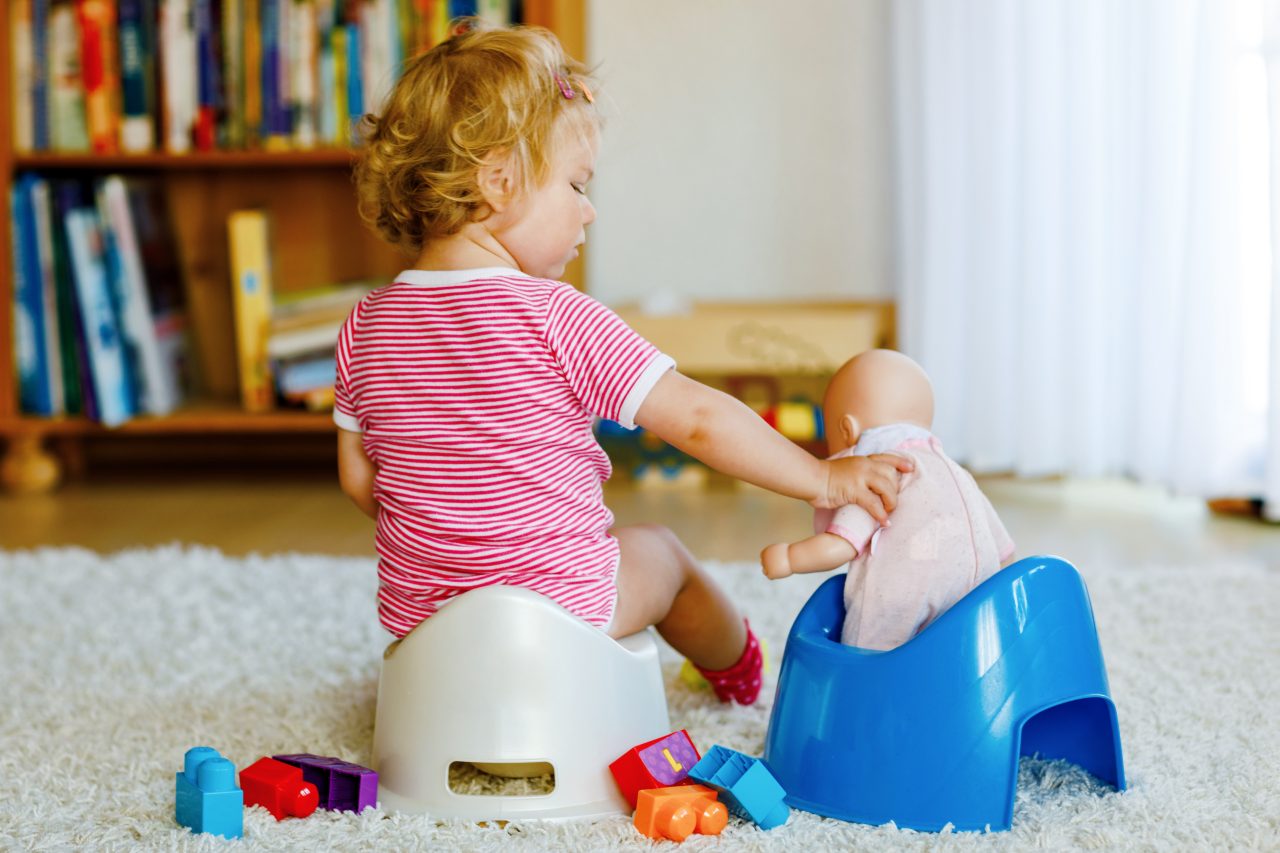
Role playing and games. When you create space for your child to play freely, they will act out real-life situations with their toys. You’ll notice natural moments to interject kindness scenarios through role play. It could be as simple as saying “thank you so much” when one doll passes another doll a toy. Your child may play other scenarios like one race car isn’t allowed to play with the others. Stay in pretend play and help guide them to a solution where everyone can play together.
Playing games can be part of dramatic play, too. Games help children learn to take turns and develop sportsmanship. Try games where your child needs to collaborate with another player to win. Relay races, board games and family scavenger hunts are good choices.
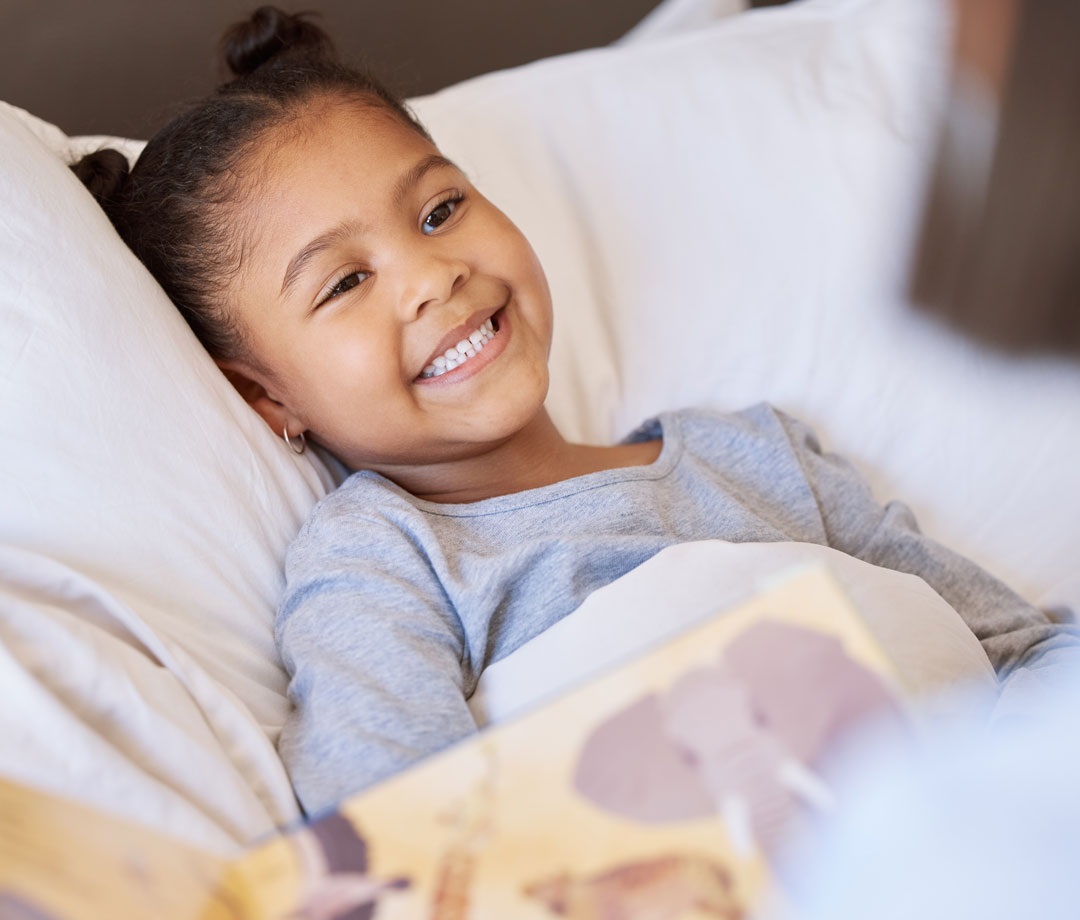
Storytelling. Read stories where the characters must make decisions about their behaviors. Talk about the consequences of both kind and not-so-kind actions. Children learn through stories by relating to the characters and the plot. Here are some favorites that focus on kindness to get you started:
- If You Plant a Seed by Kadir Nelson
- I Walk with Vanessa by Kerascoët
- Invisible Boy by Trudy Ludwig and Patrice Barton
- The Kindness Quilt by Nancy Elizabeth Wallace
- Possum’s Harvest Moon by Anne Hunter
You can also share stories from your childhood. As kids get older, they love hearing about what happened to you as a child (the good, the bad and the ugly). Use your experience as teaching moments to help your child learn about life’s lessons, including why it’s cool to be kind!