At some point in our lives, most of us have felt shy. Young children are no different. Shyness can be a toddler who only wants to be near certain adults, or a reluctance to meet new people or try new things in preschool and pre-k. Feeling shy happens as a normal part of development and may just be a part of your child’s personality. As parents, it can be hard to watch a timid child struggle. We want to immediately “fix” things and make sure our little ones are as comfortable as possible. Shyness isn’t something to fix, but there are ways to help a shy child build confidence in themselves so that they can navigate the world with less fear and more confidence.
What Does Shyness Look Like
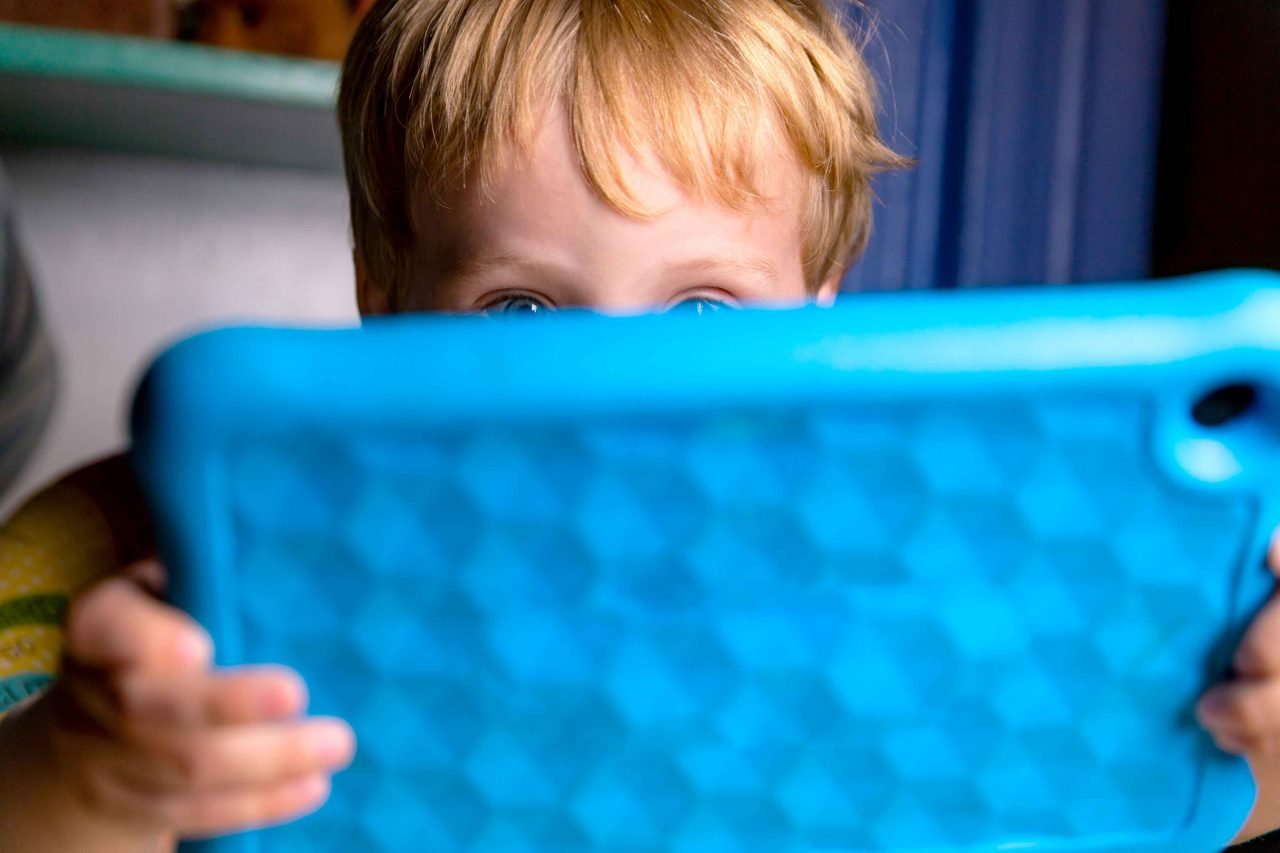
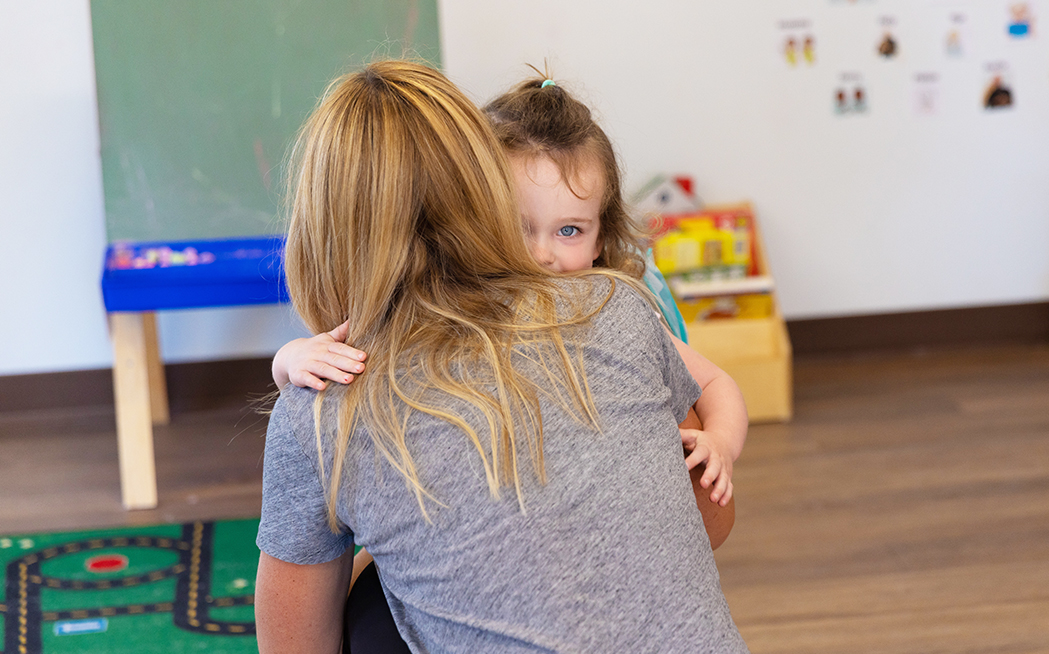
Shyness is unique to each child’s personality. Some behavioral indicators of shyness may include:
- Avoiding group activities
- Hesitating to play with other children
- Crying when encountering new situations
- Withdrawing from peers
Emotional indicators of shyness may include:
- Anxiety
- Frustration
- Feelings of isolation
Importance of Social Confidence in Childhood
Building confidence is an important part of child development. When a child feels confident, they trust themselves, knowing they'll be OK in uncertain situations or if something doesn't work out. Social confidence helps create a foundation for healthy relationships, communication skills and purposeful academic engagement. The great thing about confidence is that it can be built and nurtured.
One of the best ways to help your child develop confidence is to model it. For example, if you’re feeling nervous about trying something new, let them see you work through the nerves. Tell them about a time when you overcame something difficult. Maintain an encouraging attitude about the challenge and use positive self-talk. You could say:
- I can do hard things.
- Mistakes help me learn.
- Everyone makes mistakes.
- I can try again if I don’t get it right away.
- I can ask for help when I need it.
- It’s okay to feel nervous. I just have to try.
This helps children see challenges as an opportunity to grow rather than something to be afraid of.
Strategies to Support Shy Children
Try following these strategies to help shy children gain the confidence that they need to thrive in social settings.
Create a Safe Environment
Offer empathy, support and choices in social situations. Let them choose how they want to play instead of forcing them to join a group. Don’t make their shyness something they internalize or feel ashamed about, which means avoiding labels or explicitly telling others in front of your child that they’re shy.
Establish Routines
Predictability can help shy children feel secure, making it easier for them to engage with others.
Expose Them to Social Situations Gradually
Create confidence-building activities for kids to help them engage in social experiences that build their self-esteem, like:
- Parent-and-me classes
- Playdates with family, teammates or friends from the park
- Encouraging children to ask another child who is alone to play
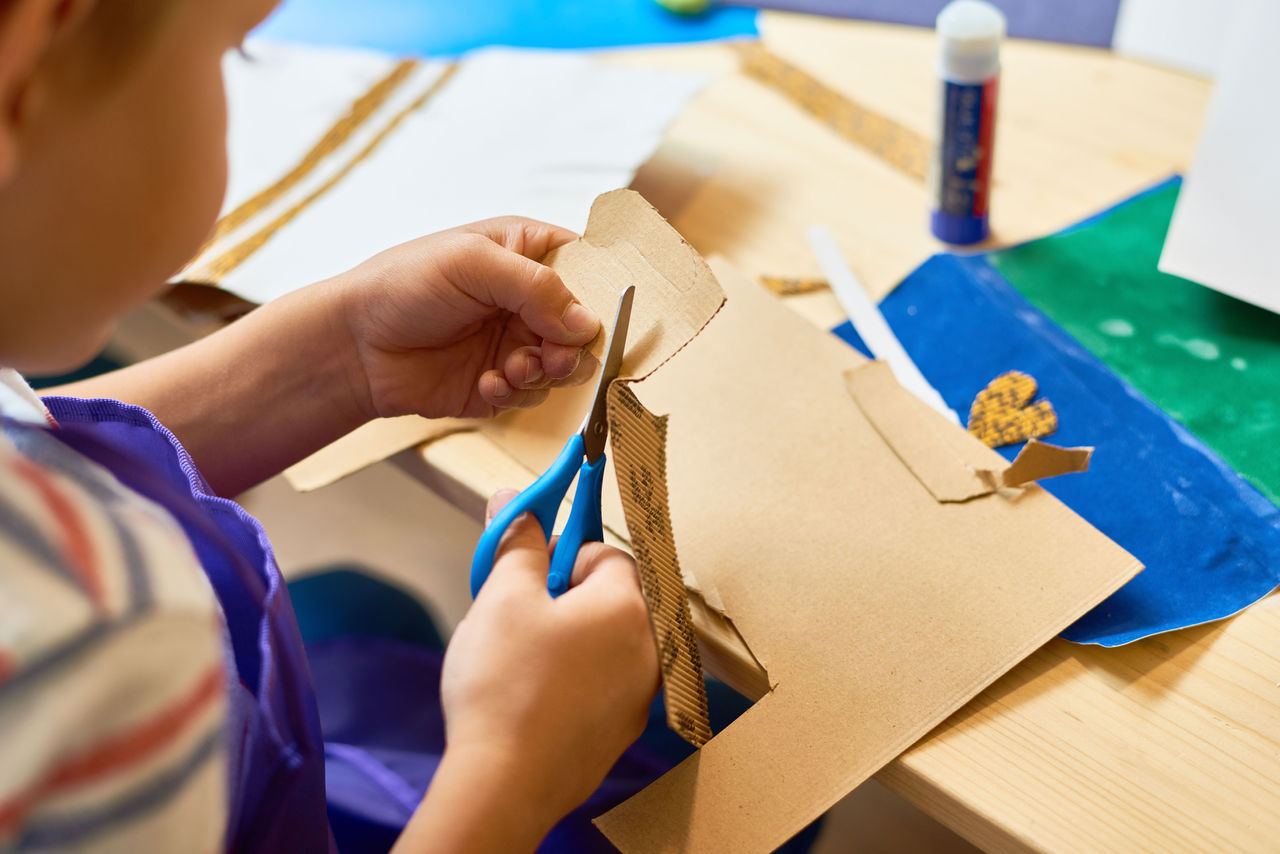
- Joining activities that align with the child's interests (art, sports, etc.)
Role Play and Social Stories
For some children, practicing scenarios can help them know what to expect, building a sense of confidence that makes it easier to interact with others.
Social scenarios to practice might include:
- Saying “hello” to new people
- Asking another child to play
- Asking an adult for help
- Joining a new class
- Checking out a book at the library
- Greeting a relative
Celebrate Small Successes
Using positive reinforcement and celebrating small successes can encourage children to keep moving forward. Be sure to praise the effort, not the result, for example:
- "I saw you playing with Tyler! You were smiling and laughing so much!"
- "Was it hard to walk up to Lily and ask her to play? You were so brave!"
- "I loved how you noticed that Ella was alone and asked her to join you."
- "Your teacher said you answered a question in class today! I'm so proud of you. How do you feel?"
When it comes to understanding how to build confidence in kids, it's important to celebrate your child's effort, even when it doesn't result in a positive outcome. Celebrating a child's engagement with others helps your child know that making an effort is what matters.
Partner with Teachers
Collaboration between home and school can create a unified approach that reinforces learning and social skill development. Sharing concerns with your child's teacher can help them get the support they need in the classroom and provide you with information about available resources to support your child's social skills development.
If your child is experiencing persistent anxiety or refuses to attend school, it may be time to reach out to a professional. A behavioral pediatrician or therapist can work with you and your child to provide the support necessary for them to thrive.
Remember, shyness isn’t a problem to solve; it’s a personality trait like any other. By encouraging positive self-talk, creating opportunities for success and modeling self-confidence, you’re helping your child build a strong sense of self. When children feel secure in who they are, whether they’re the first to jump in or a quiet observer, their confidence will carry them forward. And with your support, they’ll know they’re valued for being exactly who they are.